lifestyle
The Complication: Inside the New Age of the Collector's Watch
As auction records shatter and waiting lists stretch to years, the serious timepiece has become the alternative asset of choice for a generation of buyers who want something you can wear.
By Florian Keller · 6 June 2026 · 6 min read
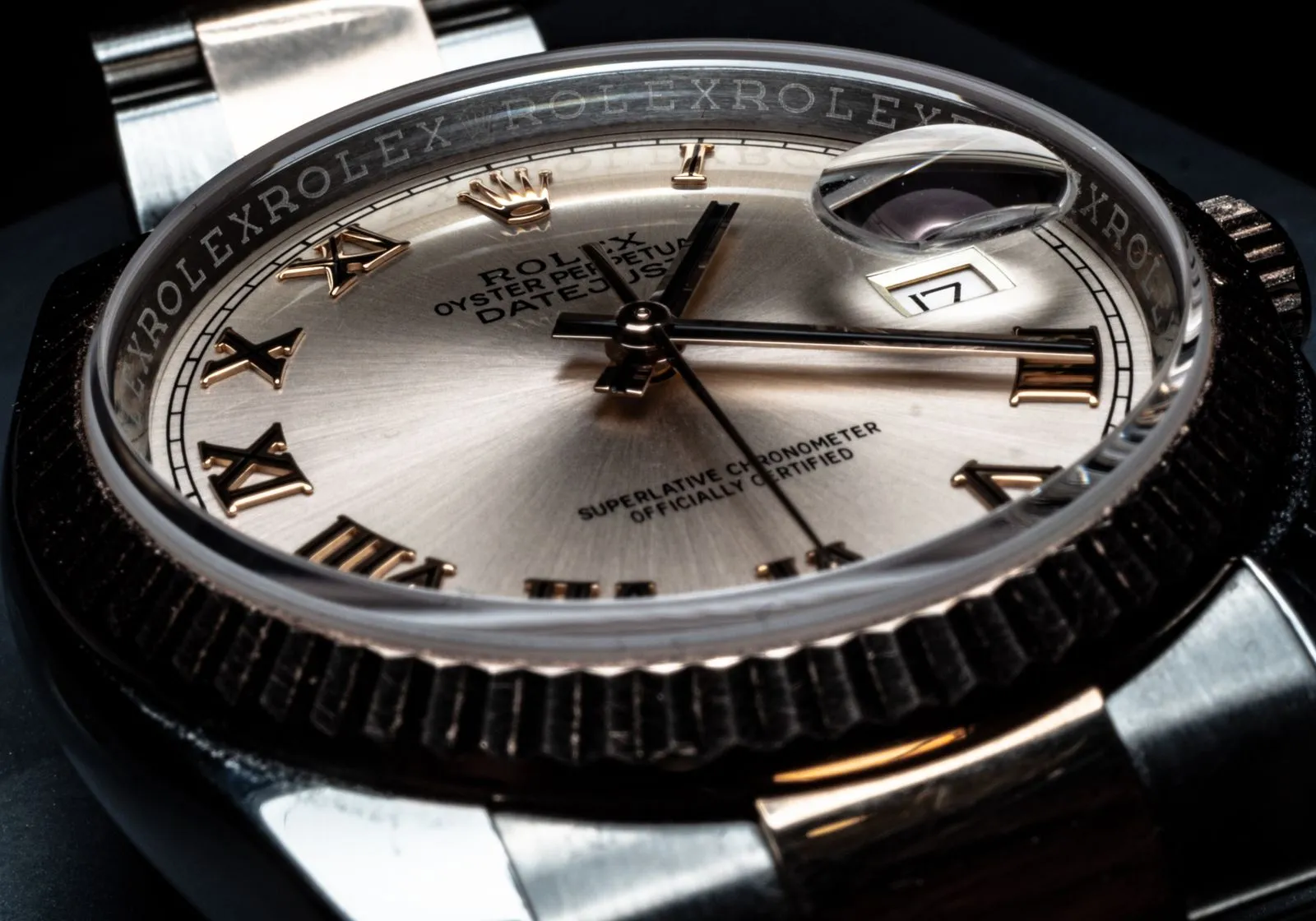
The watch is on a velvet tray, face up, under a warm light that makes the guilloché dial glow like hammered gold. It is a perpetual calendar with moon phase, made in Geneva in the late 1990s by a manufacture whose current output, were you able to obtain it, would cost three times the secondary-market price of this example. The room is small, on the top floor of a Mayfair building, and the man across the table is explaining to a potential buyer — a Sydney-based resources executive who flew to London specifically for this meeting — why this watch, for all its age and its minor service history, is precisely the right one.
“There are perhaps forty examples of this reference with this dial colour,” the dealer says, “and perhaps twelve of those are documented. The other twenty-eight exist but nobody knows exactly where. When something documented comes to market, serious collectors pay attention.”
The New Collector’s Market
The mechanics of watch collecting have been transformed in the past decade. What was once a genteel pursuit — patient accumulation, auction catalogues received by post, a relationship with a local jeweller who might source things through his network — has become a global, data-driven, frequently ferocious market in which reference numbers are currency and condition grading has developed its own professional literature.
Several forces have converged to produce this environment. The widespread digitisation of auction records has made price data available to anyone with a subscription. Dedicated platforms have created liquid secondary markets with instant access to international inventory. And a generation of collectors who made their wealth in finance or technology has brought to watch collecting the same analytical rigour they applied to portfolio construction — spreadsheets, condition hierarchies, provenance documentation, exit strategies.
The result is a market that has separated, sharply and perhaps permanently, into two tiers. At the volume end, watches continue to be bought and sold as luxury objects, gifts, status symbols. At the serious collector’s end — typically pieces priced above $50,000 on the secondary market, with meaningful provenance or mechanical significance — the dynamics more closely resemble those of the art market or the wine market. Condition, rarity, documentation and narrative all feed into a price that reflects not just what the watch costs to make but what it means.
“The complication is not an engineering problem — it is a cultural one. A perpetual calendar that has been accurate for thirty years, worn by a known collector, serviced by the original manufacturer, has a story embedded in it that no new watch can possess. You are buying the time it has already lived.”
What Drives the Premium Pieces
The watches that command serious collector attention share certain characteristics. Rarity is fundamental: production numbers matter, and references produced in limited quantities for particular markets or during particular periods are valued accordingly. Condition is equally critical: an unworn example with its original box, papers and accessories — what the market calls “complete” — commands a premium that can run to 40 or 50 per cent over a comparable worn example.
Beyond rarity and condition, the collector’s market rewards what might be called narrative density. A watch that was presented by one famous person to another, that appears in a documented photograph, that carries an engraved inscription identifying its original owner — these details are not incidental. They are embedded in the price.
The manufactures themselves have come to understand this dynamic, and the better ones are now constructing the conditions for future collectibility with explicit intention. Limited references, numbered editions with individual certificates, partnerships with estates and archives that create documented provenance from the moment of production — the collector’s market is not merely being observed by the industry; it is being, carefully and deliberately, cultivated.
The Australian Collector
Australia has produced a cohort of serious watch collectors that is, given the country’s population, disproportionately significant. Several factors contribute: a high concentration of ultra-high-net-worth individuals in the mining, property and financial services sectors; a willingness to spend on objects that combine aesthetic pleasure with investment rationale; and a relationship with Geneva, London and New York auction houses that has deepened considerably with the growth of online bidding and private-sale platforms.
Sydney’s Elizabeth Street and Melbourne’s Collins Street can now claim watch retail environments that rival comparable blocks in Hong Kong or Zurich, and the after-hours conversations among collectors — at a restaurant in Potts Point, at a members’ table in South Yarra — cover reference numbers and service histories with the intensity that used to be reserved for wine vintages or bloodstock bloodlines. The serious timepiece has found, in the Australian prestige market, a home it did not fully expect.